In today’s fast-paced digital world, a cloud based saas crm solution is no longer a luxury—it’s a necessity. Discover how this powerful tool transforms customer relationships, boosts sales, and scales with your business.
What Is a Cloud Based SaaS CRM Solution?

A cloud based saas crm solution is a customer relationship management system hosted on remote servers and delivered via the internet as a subscription service. Unlike traditional on-premise CRM software, which requires local installation and maintenance, this modern approach allows businesses to access their CRM tools anytime, anywhere, using just a web browser or mobile app.





Definition and Core Components
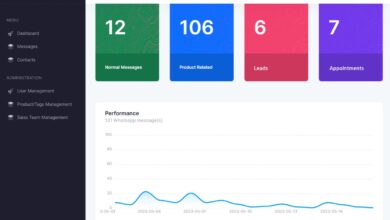
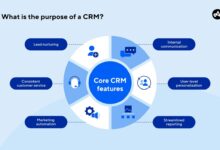
At its core, a cloud based saas crm solution integrates sales, marketing, and customer service functions into a unified platform. Key components include contact management, lead tracking, sales pipeline visualization, email integration, analytics dashboards, and automation workflows. These tools are designed to streamline operations and improve customer engagement across multiple touchpoints.
- Contact and account management
- Sales force automation
- Marketing campaign tracking
- Customer support ticketing systems
These components work together seamlessly in the cloud, ensuring data consistency and real-time collaboration across departments.
How It Differs From On-Premise CRM
Traditional CRM systems require significant upfront investment in hardware, software licenses, and IT staff for maintenance. In contrast, a cloud based saas crm solution eliminates the need for physical infrastructure. Updates, security patches, and backups are managed by the provider, reducing the burden on internal teams.
“The shift from on-premise to cloud CRM is like moving from owning a power plant to simply plugging into the grid—more reliable, scalable, and cost-effective.” — Gartner Research
Additionally, cloud solutions offer faster deployment times—often within days—compared to months for on-premise installations.
Key Players in the Market
Major providers dominating the cloud based saas crm solution space include Salesforce, HubSpot, Zoho CRM, Microsoft Dynamics 365, and Pipedrive. Each offers tiered pricing models, integrations with third-party apps, and robust APIs for customization.
For example, Salesforce leads the market with over 150,000 customers globally, while HubSpot has gained popularity among small to mid-sized businesses for its user-friendly interface and inbound marketing focus.
Top 7 Benefits of a Cloud Based SaaS CRM Solution
Adopting a cloud based saas crm solution brings transformative advantages that directly impact efficiency, scalability, and customer satisfaction. Let’s explore the seven most compelling benefits driving organizations to make the switch.
1. Cost Efficiency and Predictable Pricing
One of the most attractive features of a cloud based saas crm solution is its cost structure. Instead of large capital expenditures (CapEx), businesses pay a predictable monthly or annual subscription fee (OpEx). This model includes software licensing, hosting, updates, and technical support.
- No need for expensive servers or data centers
- Reduced IT staffing requirements
- Pay-as-you-go pricing based on user count or features
According to a study by Nucleus Research, companies using cloud CRM achieve an average ROI of $8.71 for every dollar spent—significantly higher than on-premise alternatives.
2. Scalability and Flexibility
As your business grows, so should your CRM. A cloud based saas crm solution scales effortlessly. Whether you’re adding new users, expanding into new regions, or integrating additional tools, the system adapts without downtime or complex reconfigurations.
For instance, startups can begin with a basic plan and upgrade features as their customer base expands. Enterprise-level organizations can deploy multi-divisional instances with customized workflows—all within the same ecosystem.
“Scalability isn’t just about growth—it’s about agility. Cloud CRM lets you pivot quickly in response to market changes.” — Forrester Analyst
3. Remote Access and Mobility
In an era where remote work is the norm, having access to customer data from any location is critical. A cloud based saas crm solution enables sales reps, marketers, and support agents to log in from laptops, tablets, or smartphones—ensuring continuity whether they’re in the office, at home, or on the road.
Mobile CRM apps often include offline mode, GPS tracking, and push notifications, empowering field teams to update records in real time and respond faster to customer inquiries.
4. Automatic Updates and Maintenance
With traditional CRM systems, updates require manual intervention, scheduled downtimes, and potential compatibility issues. In contrast, a cloud based saas crm solution receives automatic updates from the provider—often rolled out seamlessly in the background.
This ensures users always have access to the latest features, security enhancements, and regulatory compliance tools without lifting a finger. Providers like Salesforce release three major updates per year, packed with AI-driven insights and usability improvements.
5. Enhanced Data Security and Compliance
Contrary to common misconceptions, cloud CRM platforms often provide superior security compared to on-premise systems. Leading providers invest heavily in encryption, multi-factor authentication, intrusion detection, and regular penetration testing.
- Data encrypted both in transit and at rest
- Compliance with GDPR, HIPAA, CCPA, and SOC 2 standards
- Regular third-party audits and certifications
For example, Microsoft Dynamics 365 offers built-in compliance dashboards that help organizations monitor data privacy regulations across regions.
6. Faster Deployment and Time-to-Value
Implementing a cloud based saas crm solution typically takes weeks instead of months. Many platforms offer pre-built templates, guided setup wizards, and onboarding support to accelerate adoption.
HubSpot, for instance, allows users to launch a functional CRM within 24 hours. This rapid deployment means businesses start seeing value—such as improved lead tracking and reporting—almost immediately.
7. Seamless Integration with Other Business Tools
A major strength of a cloud based saas crm solution is its ability to integrate with other SaaS applications. Whether it’s connecting to email platforms like Gmail or Outlook, marketing automation tools like Mailchimp, or e-commerce systems like Shopify, integration ensures data flows smoothly across systems.
Most providers offer native integrations or access to marketplaces like the Salesforce AppExchange, which hosts over 3,000 apps. APIs also allow developers to build custom connections tailored to specific business needs.
How a Cloud Based SaaS CRM Solution Transforms Sales Teams
Sales teams are among the biggest beneficiaries of a cloud based saas crm solution. By centralizing customer data and automating routine tasks, these platforms empower reps to focus on what they do best: closing deals.
Centralized Customer Data and 360-Degree View
With a cloud based saas crm solution, every interaction—emails, calls, meetings, purchase history, and support tickets—is logged in one place. This creates a comprehensive 360-degree view of each customer, enabling personalized outreach and informed decision-making.
Sales managers can track deal progress, identify bottlenecks, and forecast revenue with greater accuracy. Real-time dashboards provide visibility into KPIs such as conversion rates, average deal size, and sales cycle length.
Automation of Repetitive Tasks
Manual data entry, follow-up reminders, and status updates consume valuable selling time. A cloud based saas crm solution automates these processes through workflow rules, email sequences, and task assignments.
- Automated lead assignment based on territory or workload
- Follow-up emails triggered after a meeting
- Auto-population of contact details from email signatures
This not only reduces errors but also increases productivity. According to Salesforce, high-performing sales teams are 2.3x more likely to use automation tools.
Improved Collaboration Across Teams
Modern sales involve collaboration between marketing, sales development, account executives, and customer success. A cloud based saas crm solution breaks down silos by allowing team members to share notes, assign tasks, and comment on deals in real time.
Features like Chatter (in Salesforce) or activity feeds (in HubSpot) foster internal communication and keep everyone aligned on customer goals.
Boosting Marketing Effectiveness With a Cloud Based SaaS CRM Solution
Marketing teams leverage a cloud based saas crm solution to create targeted campaigns, measure ROI, and nurture leads through the funnel with precision.
Lead Scoring and Segmentation
By analyzing behavioral data—such as website visits, content downloads, and email engagement—a cloud based saas crm solution enables marketers to score and segment leads based on readiness to buy.
This allows for more effective targeting. High-intent leads can be routed to sales immediately, while others receive nurturing content via automated drip campaigns.
Personalized Campaigns and Customer Journeys
Using data stored in the CRM, marketers can personalize messaging across channels. Dynamic content, personalized subject lines, and tailored product recommendations increase open rates and conversions.
For example, a B2B software company can send different email sequences to leads based on industry, company size, or job title—all managed within the same cloud based saas crm solution.
Measuring Campaign Performance and ROI
Unlike traditional marketing methods, digital campaigns tracked through a cloud based saas crm solution provide granular insights. Marketers can see which channels generate the most qualified leads, which campaigns drive revenue, and where budget should be reallocated.
- UTM tracking integration
- Attribution modeling
- Revenue reporting by campaign
This data-driven approach ensures marketing spend is optimized for maximum impact.
Enhancing Customer Service With a Cloud Based SaaS CRM Solution
Exceptional customer service is a key differentiator in competitive markets. A cloud based saas crm solution equips support teams with the tools they need to deliver fast, consistent, and personalized experiences.
Unified Support Ticketing System
Customer inquiries from email, phone, chat, or social media can be consolidated into a single ticketing system within the CRM. This prevents duplication, ensures accountability, and speeds up resolution times.
Agents can view the entire history of a customer’s interactions before responding, eliminating the need for customers to repeat themselves.
Knowledge Base and Self-Service Portals
Many cloud based saas crm solution platforms include tools to build knowledge bases and customer portals. These empower users to find answers independently, reducing support volume and improving satisfaction.
For example, Zendesk and Salesforce Service Cloud offer AI-powered chatbots that guide customers to relevant articles or escalate issues when necessary.
Proactive Support and Customer Success Management
Advanced CRM systems use predictive analytics to identify at-risk customers before they churn. Support teams can then intervene with proactive outreach, special offers, or onboarding assistance.
Customer success managers use the CRM to track product usage, schedule check-ins, and ensure clients achieve their desired outcomes—turning satisfied customers into long-term advocates.
Implementation Best Practices for a Cloud Based SaaS CRM Solution
Even the most powerful cloud based saas crm solution will underperform without proper implementation. Following best practices ensures a smooth rollout and high user adoption.
Define Clear Objectives and KPIs
Before deployment, organizations must define what success looks like. Is the goal to increase lead conversion by 20%? Reduce response time to support tickets? Improve forecast accuracy?
Setting measurable KPIs helps align stakeholders and evaluate the CRM’s impact post-implementation.
Ensure Data Quality and Migration Strategy
Poor data quality is a leading cause of CRM failure. Duplicates, outdated records, and inconsistent formatting undermine trust in the system.
A successful migration involves cleaning existing data, mapping fields correctly, and validating entries post-import. Tools like Talend or Informatica can assist in ETL (extract, transform, load) processes.
Train Users and Drive Adoption
No matter how advanced the system, it’s only effective if people use it. Comprehensive training programs—combining video tutorials, live workshops, and role-based guides—are essential.
Champions within each department can act as peer mentors, encouraging others to adopt the new workflow. Gamification elements, such as badges for completing tasks, can further boost engagement.
Future Trends Shaping the Cloud Based SaaS CRM Solution Landscape
The evolution of a cloud based saas crm solution is far from over. Emerging technologies are redefining what’s possible in customer relationship management.
Artificial Intelligence and Predictive Analytics
AI is transforming CRM by enabling predictive lead scoring, sentiment analysis, and next-best-action recommendations. Salesforce Einstein and Microsoft Copilot are examples of AI engines embedded within cloud CRM platforms.
These tools analyze vast datasets to forecast customer behavior, suggest optimal outreach times, and even draft email responses—freeing up human agents for higher-value tasks.
Integration of IoT and Real-Time Data
As more devices become connected, CRM systems are beginning to ingest real-time data from sensors and smart products. For example, a manufacturing company can monitor equipment performance and trigger service alerts automatically when anomalies are detected.
This proactive service model enhances customer experience and opens new revenue streams through predictive maintenance contracts.
Hyper-Personalization and Customer Experience Platforms
The future of CRM lies in hyper-personalization. Cloud based saas crm solution platforms are evolving into full-fledged Customer Experience (CX) platforms that orchestrate interactions across every touchpoint.
By combining CRM data with AI, machine learning, and journey mapping, businesses can deliver uniquely tailored experiences that build loyalty and drive lifetime value.
What is a cloud based saas crm solution?
A cloud based saas crm solution is a web-hosted customer relationship management system delivered as a subscription service. It enables businesses to manage sales, marketing, and customer service activities through a centralized, accessible, and scalable platform without the need for on-site infrastructure.
How does a cloud CRM improve sales productivity?
By automating repetitive tasks, providing real-time access to customer data, and offering sales forecasting tools, a cloud based saas crm solution allows sales teams to focus on closing deals rather than administrative work. Studies show that CRM users can increase sales productivity by up to 34%.
Is a cloud based saas crm solution secure?
Yes, leading cloud CRM providers implement enterprise-grade security measures including end-to-end encryption, regular audits, multi-factor authentication, and compliance with global data protection regulations like GDPR and HIPAA. In many cases, cloud CRM is more secure than on-premise systems.
Can small businesses benefit from a cloud CRM?
Absolutely. Cloud based saas crm solution platforms often offer affordable entry-level plans tailored for small businesses. These include essential features like contact management, email integration, and basic reporting, allowing SMBs to compete with larger organizations.
What should I look for when choosing a cloud CRM provider?
Key factors include ease of use, integration capabilities, mobile accessibility, customer support, scalability, and compliance certifications. It’s also important to evaluate user reviews and request a trial to test the platform firsthand.
Adopting a cloud based saas crm solution is one of the most strategic moves a business can make in the digital age. From reducing operational costs to enhancing customer experiences, the benefits are clear and measurable. As technology continues to evolve, these platforms will become even more intelligent, intuitive, and integral to business success. Whether you’re a startup or an enterprise, now is the time to embrace the power of cloud CRM and unlock your organization’s full potential.
Further Reading: