In today’s fast-paced digital world, cloud based CRM benefits are transforming how businesses connect with customers. Discover the 7 game-changing advantages that make cloud CRM a must-have for modern teams.
Cloud Based CRM Benefits: Revolutionizing Business Connectivity

Customer Relationship Management (CRM) has evolved dramatically over the past decade. What once required bulky on-premise servers and complex installations is now accessible from any device, anywhere in the world—thanks to cloud technology. The shift to cloud based CRM benefits isn’t just a trend; it’s a strategic move that empowers businesses of all sizes to scale smarter, faster, and more efficiently. According to a report by Gartner, over 80% of CRM deployments in 2023 were cloud-based, signaling a massive industry-wide transition.




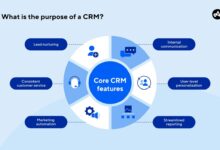

Cloud CRM systems like Salesforce, HubSpot, and Zoho CRM have redefined how sales, marketing, and customer service teams collaborate. These platforms offer real-time data access, seamless integration with other tools, and automatic updates—features that were once considered luxuries but are now essential for competitiveness. The beauty of cloud based CRM benefits lies in their ability to democratize enterprise-grade tools, making them accessible even to startups and small businesses.
What Is a Cloud Based CRM?
A cloud based CRM is a software solution hosted on remote servers and delivered over the internet. Unlike traditional CRM systems that require local installation and maintenance, cloud CRMs are managed by third-party providers who handle security, updates, and infrastructure. Users access the system via a web browser or mobile app, eliminating the need for expensive hardware or IT staff.
This model operates on a subscription basis—often referred to as Software as a Service (SaaS)—which reduces upfront costs and allows businesses to scale usage based on their needs. For example, a growing sales team can easily add new users without purchasing additional licenses or servers.
- Hosted remotely and accessed via the internet
- No need for on-site servers or IT maintenance
- Operates on a flexible subscription model
How Cloud CRM Differs From On-Premise Solutions
The key difference between cloud based CRM benefits and on-premise CRM systems lies in deployment and management. On-premise CRMs require businesses to purchase software licenses, install them on local servers, and maintain them internally. This includes managing backups, security patches, and hardware upgrades—all of which demand significant time and financial investment.
In contrast, cloud CRMs shift this responsibility to the provider. Companies pay a monthly or annual fee and gain access to a fully managed system. This not only reduces operational burden but also ensures faster deployment. While an on-premise CRM might take weeks or months to set up, a cloud CRM can be up and running in days.
“The cloud has turned CRM from a costly infrastructure project into a strategic business enabler.” — Forrester Research
Top 7 Cloud Based CRM Benefits for Modern Businesses
The advantages of adopting a cloud based CRM system go far beyond convenience. From cost savings to improved collaboration, these platforms deliver measurable impact across departments. Let’s explore the seven most powerful cloud based CRM benefits that are helping organizations thrive in a digital-first economy.
1. Cost Efficiency and Predictable Spending
One of the most compelling cloud based CRM benefits is cost efficiency. Traditional CRM systems often come with high upfront costs, including software licensing, server hardware, database setup, and IT personnel. These expenses can be prohibitive for small and mid-sized businesses.
Cloud CRMs eliminate these barriers by offering a pay-as-you-go model. Instead of a large capital expenditure, companies make smaller, predictable operational expenses. This makes budgeting easier and allows businesses to allocate resources more strategically.
- No need for expensive hardware or data centers
- Lower IT staffing requirements due to managed services
- Scalable pricing based on user count or features needed
For example, a startup with 10 sales reps can start with a basic plan at $25 per user/month and upgrade as they grow. This flexibility is a game-changer compared to on-premise systems, where scaling often means buying new servers or licenses.
2. Accessibility and Remote Work Enablement
In an era where remote and hybrid work models are the norm, accessibility is crucial. Cloud based CRM benefits include 24/7 access from any location with an internet connection. Sales teams can update deals while traveling, customer service agents can resolve tickets from home, and managers can monitor performance in real time.
This level of accessibility enhances productivity and responsiveness. A study by Salesforce found that companies using cloud CRM reported a 34% improvement in customer response times. With mobile apps and offline capabilities, users can stay connected even without constant internet access.
- Access CRM data from laptops, tablets, and smartphones
- Support for remote, hybrid, and global teams
- Real-time synchronization across devices
3. Rapid Deployment and Time-to-Value
Time is money, especially in sales and customer service. Cloud based CRM benefits include rapid deployment—most systems can be configured and launched within days, sometimes even hours. This is a stark contrast to on-premise solutions, which can take months to implement.
Providers often offer pre-built templates, guided setup wizards, and onboarding support to accelerate adoption. This means businesses can start seeing ROI faster. For instance, a company launching a new product can quickly set up lead tracking, campaign management, and sales pipelines—all within a week.
- Pre-configured workflows and dashboards
- Automated onboarding and training resources
- Integration with existing tools like email and calendars
4. Automatic Updates and Innovation
Staying current with technology is a challenge for many businesses. With on-premise systems, updates require manual intervention, downtime, and testing. Cloud based CRM benefits solve this by delivering automatic updates seamlessly in the background.
Providers regularly roll out new features, security patches, and performance improvements without disrupting users. This ensures that businesses always have access to the latest tools—such as AI-powered insights, chatbot integrations, or advanced analytics—without lifting a finger.
- No manual patching or version upgrades required
- Continuous delivery of new features and enhancements
- Always compliant with the latest security standards
“With cloud CRM, innovation isn’t a project—it’s a continuous process.” — Microsoft Dynamics 365 Team
5. Scalability for Business Growth
As businesses grow, their CRM needs evolve. Cloud based CRM benefits include unmatched scalability. Whether you’re adding new users, expanding into new markets, or launching new product lines, cloud platforms can adapt instantly.
You don’t need to worry about server capacity or database limits. The infrastructure scales automatically behind the scenes. This elasticity allows companies to respond quickly to market changes without technical bottlenecks.
- Add or remove users with a few clicks
- Scale storage and processing power on demand
- Support for multi-region and multi-language operations
For example, a company experiencing seasonal spikes in customer inquiries can temporarily increase support staff and CRM access during peak periods, then scale back when demand normalizes—all without long-term commitments.
6. Enhanced Collaboration Across Teams
Silos between sales, marketing, and customer service can hurt customer experience. Cloud based CRM benefits break down these barriers by providing a single source of truth for customer data. Everyone in the organization sees the same information—purchase history, communication logs, support tickets, and campaign interactions.
This unified view enables better coordination. Marketing can tailor campaigns based on sales feedback, customer service can anticipate issues using purchase data, and executives can make data-driven decisions with confidence.
- Shared contact and account records across departments
- Internal messaging and activity feeds within CRM
- Role-based access to maintain data security
Tools like Slack or Microsoft Teams integrations further enhance collaboration by bringing CRM alerts and updates directly into team communication channels.
7. Advanced Security and Data Protection
Many businesses hesitate to move to the cloud due to security concerns. However, cloud based CRM benefits often include superior security compared to on-premise systems. Leading providers invest heavily in cybersecurity, employing encryption, multi-factor authentication, intrusion detection, and regular audits.
Data is stored in secure data centers with redundancy and disaster recovery protocols. In fact, a report by IBM found that cloud environments often have faster breach detection and lower incident costs than on-premise setups.
- End-to-end encryption for data in transit and at rest
- Compliance with GDPR, HIPAA, SOC 2, and other standards
- Automatic backups and disaster recovery options
Additionally, cloud providers offer detailed audit logs and user activity tracking, helping businesses monitor access and prevent unauthorized changes.
Improved Sales Performance Through Cloud Based CRM Benefits
Sales teams are among the biggest beneficiaries of cloud based CRM benefits. By centralizing customer data, automating workflows, and providing real-time insights, these platforms empower reps to close more deals, shorten sales cycles, and build stronger relationships.
Centralized Customer Data for Smarter Selling
Nothing frustrates customers more than repeating their story to multiple reps. Cloud based CRM benefits eliminate this issue by storing all customer interactions in one place. From initial lead capture to post-sale support, every touchpoint is recorded and accessible.
Sales reps can see a complete 360-degree view of each prospect—past purchases, email exchanges, call notes, social media activity, and even sentiment analysis from AI tools. This context allows for personalized outreach and more relevant conversations.
- Unified customer profiles with interaction history
- Integration with email, phone, and social media
- AI-driven insights for next-best actions
For example, if a customer recently attended a webinar, the CRM can automatically flag them as highly engaged, prompting the sales team to follow up with a tailored offer.
Automation of Repetitive Tasks
Sales reps spend too much time on administrative tasks—entering data, scheduling meetings, sending follow-ups. Cloud based CRM benefits include powerful automation features that free up time for selling.
Tasks like lead assignment, email sequences, task reminders, and quote generation can be automated based on triggers. For instance, when a lead downloads a whitepaper, the CRM can automatically add them to a nurture campaign, assign them to a sales rep, and send a personalized welcome email.
- Workflow automation for lead routing and follow-ups
- Email templates and tracking for consistent communication
- Auto-population of fields to reduce manual entry
According to Nucleus Research, companies using CRM automation see a 14.6% increase in sales productivity.
Real-Time Analytics and Forecasting
Guessing sales performance is risky. Cloud based CRM benefits provide real-time dashboards and reporting tools that give leaders instant visibility into pipeline health, conversion rates, and revenue forecasts.
Managers can drill down into team performance, identify bottlenecks, and adjust strategies proactively. For example, if the win rate for a particular product is declining, they can investigate and provide additional training or resources.
- Customizable dashboards for KPIs and metrics
- Pipeline visualization and stage tracking
- Predictive analytics using machine learning
These insights help align sales efforts with business goals and improve forecasting accuracy by up to 40%, according to Salesforce’s State of Sales report.
Enhanced Customer Service with Cloud Based CRM Benefits
Customer service is no longer just a cost center—it’s a competitive advantage. Cloud based CRM benefits enable support teams to deliver faster, more personalized, and proactive service.
Unified Support Channels in One Platform
Customers reach out via email, phone, chat, social media, and self-service portals. Managing these channels separately leads to inefficiency and missed opportunities. Cloud based CRM benefits consolidate all support interactions into a single interface.
Agents can view a customer’s entire history—past tickets, purchases, preferences—regardless of how they contacted support. This context allows for faster resolution and a more seamless experience.
- Integration with email, live chat, phone, and social media
- Case management with prioritization and SLA tracking
- Knowledge base integration for self-service
For example, if a customer tweets a complaint, the CRM can automatically create a ticket, assign it to the right agent, and link it to their account history for context.
Faster Response Times and Resolution Rates
Speed matters in customer service. Cloud based CRM benefits include automation and AI tools that reduce response times and improve first-contact resolution.
Chatbots can handle common queries 24/7, routing complex issues to human agents with full context. Automated workflows ensure tickets are escalated based on urgency or customer tier. And real-time collaboration tools let agents consult experts without putting customers on hold.
- AI-powered chatbots for instant responses
- Automated ticket routing and escalation
- Internal collaboration tools for faster resolution
A study by Zendesk found that companies using cloud CRM reduced average response times by 30% and increased customer satisfaction by 25%.
Proactive Support and Customer Retention
The best customer service is the kind customers don’t have to ask for. Cloud based CRM benefits enable proactive support by identifying potential issues before they escalate.
For example, if a customer’s subscription is about to expire, the CRM can trigger a renewal reminder. If usage patterns suggest confusion with a product, the system can prompt a tutorial email or offer a training session.
- Predictive alerts for at-risk customers
- Automated health checks and renewal reminders
- Customer success workflows for onboarding and adoption
This level of care builds loyalty and reduces churn. According to Harvard Business Review, companies with proactive retention strategies see 30% higher customer lifetime value.
Marketing Advantages of Cloud Based CRM Benefits
Marketing teams gain significant value from cloud based CRM benefits, especially when CRM is integrated with marketing automation platforms. This synergy enables smarter campaigns, better targeting, and measurable ROI.
Personalized Campaigns at Scale
Generic marketing messages are ignored. Cloud based CRM benefits allow marketers to segment audiences based on behavior, demographics, purchase history, and engagement levels.
With this data, they can create hyper-personalized email campaigns, targeted ads, and dynamic website content. For example, a customer who abandoned a shopping cart can receive a personalized discount offer, while a loyal customer might get an exclusive early access invite.
- Behavior-based segmentation and targeting
- Drip campaigns triggered by user actions
- A/B testing for message optimization
These personalized efforts lead to higher open rates, click-through rates, and conversions. According to Campaign Monitor, personalized emails deliver 6x higher transaction rates.
Lead Scoring and Nurturing Automation
Not all leads are created equal. Cloud based CRM benefits include lead scoring models that rank prospects based on their likelihood to buy.
Factors like website visits, content downloads, email opens, and social engagement are tracked and scored automatically. High-scoring leads are routed to sales immediately, while lower-scoring ones enter nurturing workflows with educational content.
- Automated lead scoring based on engagement
- Nurture sequences with targeted content
- Handoff to sales when lead reaches threshold
This ensures sales teams focus on the hottest opportunities, improving conversion rates and reducing wasted effort.
Measurable ROI and Campaign Optimization
Marketing used to be a guessing game. Cloud based CRM benefits provide clear attribution and performance tracking across channels.
Marketers can see which campaigns generate the most leads, which content drives engagement, and which channels deliver the highest ROI. This data enables continuous optimization—shifting budgets to what works and refining messaging based on results.
- Multi-touch attribution modeling
- Conversion tracking from campaign to sale
- ROI analysis by channel, campaign, and content
With this level of insight, marketing becomes a strategic driver of revenue, not just a cost center.
Integration Capabilities: Expanding Cloud Based CRM Benefits
The true power of cloud based CRM benefits is unlocked when the system integrates with other business tools. Modern CRMs act as central hubs, connecting data across sales, marketing, finance, and operations.
Seamless Integration with Email and Calendar
Email remains a primary communication channel. Cloud based CRM benefits include native integration with Gmail, Outlook, and other email platforms.
Every sent and received email is automatically logged against the right contact. Calendar sync ensures meetings are tracked, reminders are set, and follow-ups are scheduled—all without manual entry.
- Automatic logging of emails and attachments
- One-click meeting scheduling from CRM
- Synchronization with Google Calendar and Outlook
This eliminates data silos and ensures no interaction is missed.
Connecting with ERP and Accounting Systems
CRM shouldn’t exist in isolation. Cloud based CRM benefits extend to integration with ERP and accounting platforms like NetSuite, QuickBooks, or SAP.
This connection ensures that sales orders, invoices, and payment status are synchronized in real time. Sales teams can see if a customer has outstanding payments, while finance can track revenue forecasts from the CRM pipeline.
- Synchronized customer and order data
- Real-time visibility into financial status
- Automated invoice and payment updates
This integration reduces errors, speeds up billing, and improves cash flow management.
API Access and Custom App Development
Every business has unique needs. Cloud based CRM benefits include robust APIs that allow developers to build custom integrations or applications.
Whether it’s connecting to a proprietary inventory system, embedding CRM data into a custom dashboard, or building a mobile app for field reps, APIs make it possible. Platforms like Salesforce offer extensive developer ecosystems and app marketplaces.
- REST and SOAP APIs for data exchange
- AppExchange or marketplace for third-party tools
- Custom workflow and automation development
This flexibility ensures the CRM grows with the business, not limits it.
Choosing the Right Cloud CRM: Key Considerations
With so many options available, selecting the right cloud CRM can be overwhelming. To maximize cloud based CRM benefits, businesses must evaluate their needs, budget, and long-term goals.
Assessing Business Needs and Goals
Start by identifying your primary objectives. Are you looking to improve sales productivity? Enhance customer service? Scale marketing efforts? Different CRMs specialize in different areas.
Create a list of must-have features—such as lead management, email integration, reporting, or mobile access. Prioritize based on your team’s workflows and pain points.
- Define key use cases and user roles
- Identify critical features and integrations
- Map current processes to CRM capabilities
Evaluating Vendor Reliability and Support
Not all cloud CRM providers are equal. Look for vendors with a proven track record, strong security practices, and excellent customer support.
Check reviews on platforms like Gartner Peer Insights or TrustRadius. Evaluate uptime guarantees, data backup policies, and compliance certifications. Also, consider the availability of training, documentation, and onboarding assistance.
- Review SLAs and uptime history
- Check for GDPR, SOC 2, or HIPAA compliance
- Assess quality of customer support and training
Planning for Data Migration and User Adoption
Even the best CRM will fail if data isn’t migrated properly or users don’t adopt it. Plan the migration carefully—cleanse old data, map fields correctly, and test thoroughly.
Focus on user adoption by involving teams early, providing training, and demonstrating value. Gamification, incentives, and ongoing support can boost engagement and ensure long-term success.
- Develop a data migration strategy
- Provide hands-on training and resources
- Monitor usage and address resistance early
What are the main cloud based CRM benefits?
The main cloud based CRM benefits include cost savings, remote accessibility, rapid deployment, automatic updates, scalability, enhanced collaboration, and advanced security. These advantages help businesses improve sales, service, and marketing performance while reducing IT overhead.
Is a cloud CRM secure?
Yes, cloud CRMs are typically more secure than on-premise systems. Leading providers use encryption, multi-factor authentication, regular security audits, and compliance with standards like GDPR and SOC 2 to protect data.
Can small businesses benefit from cloud CRM?
Absolutely. Cloud based CRM benefits are especially valuable for small businesses, offering enterprise-level tools at affordable prices. They enable small teams to automate tasks, manage customer relationships effectively, and scale without heavy IT investment.
How does cloud CRM improve customer service?
Cloud CRM improves customer service by centralizing customer data, enabling faster response times, supporting multiple communication channels, and allowing proactive support through automation and AI.
What should I look for in a cloud CRM provider?
Look for ease of use, integration capabilities, mobile access, scalability, security certifications, customer support, and a strong track record. Also, consider user reviews and available training resources.
In conclusion, the cloud based CRM benefits outlined in this article are not just incremental improvements—they represent a fundamental shift in how businesses manage customer relationships. From cost efficiency and scalability to enhanced collaboration and security, cloud CRM platforms empower organizations to operate smarter and more responsively. Whether you’re a startup or an enterprise, adopting a cloud-based CRM can drive measurable improvements in sales, marketing, and customer service. The future of CRM is in the cloud, and the time to embrace it is now.
Further Reading: