Looking for powerful cloud based CRM systems examples that can transform your business? You’re in the right place. In this comprehensive guide, we’ll explore the top platforms, their features, benefits, and real-world applications—all designed to help you make an informed decision in 2024.
What Are Cloud Based CRM Systems? A Quick Overview

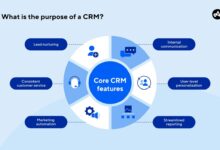
Cloud based CRM systems examples have revolutionized how businesses manage customer relationships. Unlike traditional on-premise software, these platforms operate over the internet, offering flexibility, scalability, and real-time data access from anywhere in the world. They are hosted on remote servers managed by third-party providers, eliminating the need for costly hardware and IT maintenance.





How Cloud CRM Differs from On-Premise CRM
Traditional CRM systems require businesses to install software on local servers and maintain them in-house. This often involves high upfront costs, complex installations, and ongoing technical support. In contrast, cloud based CRM systems examples run on subscription models, making them more accessible to small and medium-sized enterprises (SMEs).
- Deployment: Cloud CRM is instantly deployable via the web; on-premise requires physical installation.
- Cost: Cloud solutions typically follow a pay-as-you-go model; on-premise demands large capital investment.
- Maintenance: Vendors handle updates and security for cloud CRM; companies must self-manage on-premise systems.
“The shift to cloud CRM has democratized access to enterprise-grade tools, enabling even startups to compete with industry giants.” — Gartner Research, 2023
Key Benefits of Using Cloud Based CRM Systems
The advantages of adopting cloud based CRM systems examples extend beyond cost savings. These platforms enhance collaboration, improve customer insights, and support rapid business growth.
- Accessibility: Access your CRM from any device with an internet connection—laptop, tablet, or smartphone.
- Scalability: Easily add users or upgrade features as your business grows.
- Automatic Updates: Vendors regularly roll out new features and security patches without downtime.
- Integration Capabilities: Most cloud CRMs integrate seamlessly with email, marketing automation, ERP, and e-commerce platforms.
Top 7 Cloud Based CRM Systems Examples in 2024
Choosing the right CRM can be overwhelming given the number of options available. To simplify your decision, here are seven of the most powerful and widely used cloud based CRM systems examples today. Each has unique strengths tailored to different business needs, industries, and budgets.
1. Salesforce Sales Cloud
Salesforce is often considered the gold standard among cloud based CRM systems examples. Its Sales Cloud platform offers robust tools for lead management, opportunity tracking, forecasting, and pipeline visibility.
- AI-powered insights through Einstein Analytics.
- Highly customizable dashboards and workflows.
- Extensive AppExchange ecosystem with over 3,000 integrations.
Suitable for enterprises and mid-sized businesses, Salesforce provides deep functionality but may require training due to its complexity. Learn more at Salesforce Official Site.
2. HubSpot CRM
HubSpot CRM stands out for its user-friendly interface and free tier, making it one of the most popular cloud based CRM systems examples for startups and small businesses.
- Free forever plan with contact management, email tracking, and deal pipelines.
- Seamless integration with HubSpot’s marketing, sales, and service hubs.
- Intuitive automation tools for follow-ups and task management.
Its strength lies in inbound marketing alignment, helping businesses attract, engage, and delight customers. Visit HubSpot CRM to explore its full suite.
3. Zoho CRM
Zoho CRM is a versatile and cost-effective solution, especially favored by SMEs looking for powerful automation without the high price tag.
- AI assistant (Zia) for predictive sales forecasting and sentiment analysis.
- Workflow automation and approval processes.
- Strong mobile app with offline access capabilities.
Zoho also offers industry-specific editions for real estate, retail, and education. Explore its features at Zoho CRM.
4. Microsoft Dynamics 365 Sales
For organizations already using Microsoft 365, Dynamics 365 Sales integrates effortlessly with Outlook, Teams, and Excel, making it a natural fit among cloud based CRM systems examples.
- Embedded AI for lead scoring and next-best-action recommendations.
- Power BI integration for advanced reporting.
- Customizable modules for sales, customer service, and field service.
It’s ideal for enterprises seeking deep integration with Microsoft’s ecosystem. Learn more at Microsoft Dynamics 365.
5. Pipedrive
Pipedrive is built for sales teams that prioritize pipeline management and visual deal tracking. It’s one of the most intuitive cloud based CRM systems examples focused on simplicity and sales efficiency.
- Drag-and-drop sales pipeline interface.
- Activity reminders and automated workflows.
- Strong mobile experience and calendar sync.
Best suited for small to mid-sized sales teams, Pipedrive helps users stay focused on closing deals. Check it out at Pipedrive.
6. Freshsales (by Freshworks)
Freshsales combines CRM functionality with built-in phone, email, and chat capabilities, positioning itself as a complete sales engagement platform among cloud based CRM systems examples.
- AI-based lead scoring and deal insights.
- Visual deal pipeline and timeline view.
- Integrated phone and email within the CRM.
It’s particularly effective for inside sales teams looking to reduce app switching. Visit Freshsales for a free trial.
7. Oracle CX Sales
Oracle CX Sales is a high-end solution designed for large enterprises with complex sales cycles and global operations. It’s one of the most sophisticated cloud based CRM systems examples on the market.
- Advanced AI and machine learning for forecasting accuracy.
- Configurable sales methodologies and territory management.
- End-to-end customer experience management across marketing, sales, and service.
While powerful, it requires significant investment and implementation time. Learn more at Oracle CX Sales.
How to Choose the Right Cloud Based CRM System for Your Business
Selecting the best cloud based CRM systems examples isn’t just about features—it’s about alignment with your business goals, team size, industry, and budget. Here’s a structured approach to help you make the right choice.
Assess Your Business Needs and Goals
Start by identifying what you want to achieve with your CRM. Are you looking to improve lead conversion, enhance customer support, or streamline sales processes?
- Define key performance indicators (KPIs) such as sales cycle length, customer retention rate, or lead response time.
- Map out your customer journey to identify pain points where CRM can add value.
- Involve stakeholders from sales, marketing, and customer service in the evaluation process.
Consider Scalability and Integration Requirements
Your CRM should grow with your business. Evaluate whether the platform can handle increased data volume, additional users, and new functionalities.
- Check API availability for connecting with existing tools like ERP, e-commerce, or accounting software.
- Look for pre-built integrations with platforms like Shopify, Mailchimp, or Google Workspace.
- Ensure mobile compatibility for remote or field teams.
Evaluate User Experience and Training Needs
A powerful CRM is useless if your team won’t use it. Prioritize platforms with intuitive interfaces and strong onboarding support.
- Request a free trial or demo to test usability.
- Assess the availability of training resources, documentation, and customer support.
- Consider adoption rates—complex systems may require dedicated CRM administrators.
Real-World Use Cases of Cloud Based CRM Systems Examples
Understanding how businesses actually use cloud based CRM systems examples can provide valuable insights into their practical benefits. Let’s explore a few real-world scenarios across different industries.
E-Commerce: Personalizing Customer Journeys
An online fashion retailer uses HubSpot CRM to track customer behavior, segment audiences, and automate personalized email campaigns based on purchase history and browsing activity.
- Integrates with Shopify to sync order data automatically.
- Uses workflows to send post-purchase follow-ups and loyalty rewards.
- Tracks customer lifetime value (CLV) to identify high-value segments.
Result: 35% increase in repeat purchases within six months.
SaaS Companies: Managing Complex Sales Cycles
A B2B SaaS startup leverages Salesforce to manage long sales cycles involving multiple stakeholders, product demos, and contract negotiations.
- Uses opportunity stages to track deal progress.
- Employs Einstein AI to predict which leads are most likely to convert.
- Integrates with Zoom and DocuSign for seamless communication and contract signing.
Result: Reduced sales cycle by 22% and improved forecasting accuracy.
Real Estate Agencies: Streamlining Lead Management
A real estate agency adopts Zoho CRM to manage inquiries from property portals, social media, and website forms.
- Automatically assigns leads to agents based on location and availability.
- Schedules property viewings and sends reminders via SMS and email.
- Tracks client preferences and follow-up history for better personalization.
Result: 40% faster lead response time and higher client satisfaction scores.
Key Features to Look for in Cloud Based CRM Systems Examples
Not all CRMs are created equal. When evaluating cloud based CRM systems examples, focus on these essential features that drive real business impact.
Contact and Lead Management
The foundation of any CRM is its ability to store, organize, and enrich customer data.
- Centralized database for contacts, companies, and interactions.
- Duplicate detection and merge tools.
- Enrichment features that pull in social profiles, job titles, and company data.
Sales Automation and Workflow Tools
Automation reduces manual tasks and ensures consistency in sales processes.
- Automated follow-up emails and task assignments.
- Custom workflows for approval processes or deal escalation.
- Template libraries for emails, proposals, and quotes.
Analytics, Reporting, and Forecasting
Data-driven decision-making is critical for growth. Look for robust reporting capabilities.
- Pre-built dashboards for sales performance, pipeline health, and team activity.
- Custom report builders for niche metrics.
- Forecasting tools powered by AI to predict revenue trends.
Security and Data Privacy in Cloud Based CRM Systems
Storing sensitive customer data in the cloud raises valid concerns about security and compliance. Reputable cloud based CRM systems examples prioritize data protection through multiple layers of security.
Encryption and Access Controls
Top CRM providers use end-to-end encryption to protect data both in transit and at rest.
- SSL/TLS encryption for data transfer.
- AES-256 encryption for stored data.
- Role-based access control (RBAC) to limit data visibility based on user roles.
Compliance with Global Standards
Ensure your CRM complies with relevant regulations such as GDPR, CCPA, HIPAA, or SOC 2.
- Look for vendors that undergo regular third-party audits.
- Check if they offer data residency options (e.g., storing EU data within Europe).
- Verify their data retention and deletion policies.
Disaster Recovery and Backup
Reliable cloud CRM platforms have redundant infrastructure and automated backup systems.
- Multi-region data centers to prevent downtime during outages.
- Daily backups with point-in-time recovery options.
- SLAs (Service Level Agreements) guaranteeing uptime (typically 99.9% or higher).
Future Trends Shaping Cloud Based CRM Systems Examples
The CRM landscape is evolving rapidly, driven by advancements in AI, automation, and customer expectations. Staying ahead of these trends ensures your business remains competitive.
AI and Predictive Analytics
Artificial intelligence is no longer a luxury—it’s becoming a core component of cloud based CRM systems examples.
- Predictive lead scoring identifies high-intent prospects.
- Natural language processing (NLP) analyzes customer emails and calls for sentiment.
- AI-powered chatbots handle routine inquiries and qualify leads 24/7.
Omnichannel Customer Engagement
Customers expect seamless experiences across email, phone, social media, and live chat. Modern CRMs are integrating omnichannel capabilities.
- Unified inbox for managing all customer communications.
- Context-aware routing to connect customers with the right agent.
- Conversation history synchronization across channels.
Low-Code and No-Code Customization
Businesses want flexibility without relying on developers. Low-code platforms allow users to build custom workflows, forms, and automations visually.
- Drag-and-drop interface builders.
- Visual workflow designers.
- Custom object creation without coding.
Common Challenges and How to Overcome Them
Despite their benefits, implementing cloud based CRM systems examples can come with challenges. Being aware of these pitfalls helps ensure a smoother rollout.
Poor User Adoption
One of the biggest reasons CRM projects fail is low user adoption. Employees may resist change or find the system too complex.
- Solution: Involve end-users early in the selection process.
- Provide hands-on training and create internal champions.
- Start with core features and gradually introduce advanced tools.
Data Migration Issues
Transferring data from legacy systems can lead to duplicates, formatting errors, or data loss.
- Solution: Cleanse and standardize data before migration.
- Use vendor-provided migration tools or professional services.
- Conduct test migrations and validate results.
Integration Complexity
While most CRMs offer integrations, connecting them to niche or outdated systems can be challenging.
- Solution: Prioritize platforms with open APIs and strong developer communities.
- Use middleware tools like Zapier or Make (formerly Integromat) for custom connections.
- Document all integrations for future troubleshooting.
What are the best cloud based CRM systems examples for small businesses?
For small businesses, HubSpot CRM and Zoho CRM are excellent choices due to their affordability, ease of use, and robust free tiers. Pipedrive is also highly recommended for sales-focused teams needing intuitive pipeline management.
Are cloud based CRM systems secure?
Yes, reputable cloud based CRM systems examples use advanced security measures like encryption, multi-factor authentication, and compliance with global data protection regulations (e.g., GDPR, CCPA). However, businesses must also follow best practices like strong password policies and user access controls.
Can I customize a cloud CRM to fit my business needs?
Absolutely. Most modern cloud based CRM systems examples offer extensive customization options, including custom fields, workflows, dashboards, and automation rules. Platforms like Salesforce and Zoho even support low-code development for advanced modifications.
How much do cloud CRM systems cost?
Prices vary widely. Free plans (like HubSpot CRM) exist, while enterprise solutions (like Salesforce or Oracle) can cost $100+ per user per month. Most vendors offer tiered pricing based on features and user count.
Do cloud CRM systems work offline?
Some platforms, like Zoho CRM and Salesforce, offer limited offline functionality through mobile apps. Users can view and edit records offline, with data syncing once reconnected to the internet.
Choosing the right cloud based CRM systems examples can transform how your business manages customer relationships. From Salesforce’s enterprise power to HubSpot’s user-friendly design, each platform offers unique advantages. The key is aligning your selection with your business goals, team size, and technical requirements. By understanding features, use cases, and future trends, you can implement a CRM that drives growth, improves efficiency, and enhances customer satisfaction. The future of customer relationship management is in the cloud—and now is the perfect time to embrace it.
Further Reading: