Looking to scale your sales without the overhead? A commission based sales agency might be the game-changer you need. This model aligns incentives, reduces risk, and drives explosive growth—all while you pay only for results.
What Is a Commission Based Sales Agency?

A commission based sales agency operates on a performance-driven model where sales professionals earn income solely through commissions on closed deals. Unlike traditional agencies that charge retainers or hourly fees, these agencies are paid a percentage of the revenue they generate. This creates a win-win: clients only pay for tangible results, and agents are highly motivated to perform.

How It Differs From Traditional Sales Models
Traditional sales teams often come with fixed salaries, benefits, and overhead costs. In contrast, a commission based sales agency eliminates fixed labor costs. You’re not paying for time spent; you’re paying for outcomes achieved. This model is especially attractive for startups and SMEs with limited budgets but high growth ambitions.
- Traditional agencies: Fixed costs, predictable expenses, lower performance pressure.
- Commission based sales agency: Variable costs, performance-linked payouts, high accountability.
- Hybrid models: Some agencies blend retainer fees with commission to balance risk and motivation.
According to the Sales Management Association, performance-based compensation increases sales productivity by up to 35% compared to fixed-salary models.
Key Players in the Ecosystem
The ecosystem of a commission based sales agency includes principals (the companies hiring the agency), agents (the salespeople), and sometimes third-party platforms that facilitate matchmaking. Principals range from tech startups to established brands looking to expand into new markets. Agents are often seasoned sales professionals who thrive in high-pressure, results-oriented environments.
- Principals: Companies seeking scalable sales without upfront investment.
- Agents: Independent reps or agency-employed closers focused on earning through performance.
- Platforms: Marketplaces like RepVue or Slashdot that connect businesses with commission-only reps.
“The future of sales isn’t about headcount—it’s about output. Commission based sales agency models are redefining how companies scale.” — Forbes Sales Innovation Report, 2023
Top 7 Benefits of Hiring a Commission Based Sales Agency
Choosing a commission based sales agency isn’t just a cost-saving move—it’s a strategic lever for growth. Here are seven powerful advantages that make this model a top choice for modern businesses.
1. Pay Only for Performance
This is the cornerstone of the model. You don’t pay for meetings, calls, or proposals—you pay only when a sale closes. This aligns the agency’s goals directly with your revenue objectives. If they don’t sell, they don’t earn. It’s a powerful motivator for relentless follow-up and closing excellence.
- No upfront costs: Ideal for bootstrapped startups.
- Risk mitigation: You’re not locked into long-term payroll obligations.
- Transparency: Clear ROI tracking since compensation is tied to results.
For example, a SaaS company using a commission based sales agency reported a 40% reduction in customer acquisition cost (CAC) within six months—simply because they stopped paying for underperforming reps.
2. Access to Elite Sales Talent
Top-tier sales professionals are often drawn to commission-based roles because of the earning potential. These individuals are self-motivated, experienced, and accustomed to working in high-stakes environments. By partnering with a reputable commission based sales agency, you gain access to this talent pool without the hassle of recruitment, training, or benefits.
- Proven closers: Many agents have track records in specific industries like fintech, healthcare, or enterprise software.
- Specialized expertise: Agencies often focus on niches, ensuring your product is sold by experts who understand the market.
- Scalability: You can onboard multiple agents quickly during peak seasons or product launches.
A study by Gartner found that commission-only sales reps close deals 22% faster than their salaried counterparts due to heightened urgency and focus.
3. Rapid Market Expansion
Want to enter a new geographic region or vertical? A commission based sales agency can deploy agents in days, not months. Since they don’t require office space or onboarding programs, you can scale your presence quickly. This agility is crucial in fast-moving markets where first-mover advantage matters.
- Global reach: Many agencies have networks across North America, Europe, and APAC.
- Local market knowledge: Agents often have regional expertise and existing networks.
- Low-cost testing: Launch pilot campaigns in new markets with minimal financial exposure.
“We entered three new countries in under 90 days using a commission based sales agency. Traditional hiring would’ve taken six months.” — CEO of a European EdTech startup
How to Choose the Right Commission Based Sales Agency
Not all commission based sales agencies are created equal. Selecting the wrong partner can lead to poor representation, damaged brand reputation, and wasted time. Here’s how to make a smart choice.
1. Evaluate Their Track Record
Ask for case studies, client testimonials, and verifiable performance metrics. A credible commission based sales agency should be able to show you:
- Close rates and average deal size in your industry.
- Client retention and satisfaction scores.
- Examples of successful market entries or product launches.
Don’t hesitate to request references. Call past clients and ask about their experience. Did the agency deliver on promises? Were the agents professional and well-trained?
2. Assess Industry Specialization
Generalist agencies may lack the depth needed to sell complex products. Look for a commission based sales agency with proven experience in your niche—whether it’s B2B software, medical devices, or luxury goods. Specialization means faster ramp-up time and higher conversion rates.
- Technical understanding: Can they explain your product’s USP clearly?
- Competitor knowledge: Do they know your market landscape?
- Regulatory awareness: Critical in industries like finance or healthcare.
For instance, a biotech firm saw a 300% increase in qualified leads after switching from a generalist agency to a commission based sales agency specializing in life sciences.
3. Review Contract Terms and Commission Structure
Transparency is key. The contract should clearly define:
- Commission rate (typically 10%–30%, depending on industry and deal size).
- Payment terms (net 30, net 60, etc.).
- Lead ownership and exclusivity clauses.
- Termination conditions and non-compete agreements.
Beware of hidden fees or ambiguous language. A reputable agency will provide a clear, straightforward agreement. Use tools like Docracy to compare standard sales agency contracts.
Common Commission Structures in Sales Agencies
Understanding how a commission based sales agency gets paid is crucial. The structure can significantly impact motivation, profitability, and long-term success.
Percentage of Revenue Model
This is the most common structure. The agency earns a fixed percentage of each sale. For example, a 15% commission on a $10,000 deal means the agency gets $1,500. This model works well for high-ticket items and recurring revenue products like subscriptions.
- Simple to calculate and track.
- Motivates agents to close larger deals.
- Risk: Agents may prioritize volume over customer fit.
Tip: Cap commissions on renewal years to protect long-term margins.
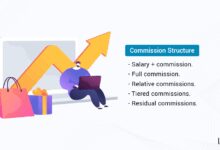
Tiered Commission Scales
To encourage higher performance, some commission based sales agencies use tiered structures. For example:
- 10% on first $50K in sales.
- 15% on $50K–$100K.
- 20% on sales above $100K.
This rewards overachievement and drives agents to exceed targets. It’s particularly effective for seasonal pushes or product launches.
“Tiered commissions increased our team’s monthly sales by 68% in Q3.” — Sales Director at a logistics tech firm
Hybrid Retainer + Commission Model
Some agencies charge a small monthly retainer (e.g., $2,000) plus a reduced commission (e.g., 10% instead of 15%). This ensures the agency has skin in the game while covering basic operational costs.
- Best for long-term partnerships.
- Reduces churn and increases agent commitment.
- Higher upfront cost but potentially better service quality.
This model is gaining popularity among mid-sized companies that want stability without full payroll.
Industries That Thrive With Commission Based Sales Agencies
While any business can benefit, certain industries are particularly well-suited for a commission based sales agency model due to their sales cycles, product complexity, and market dynamics.
Technology and SaaS
SaaS companies often operate on subscription models with high customer lifetime value (LTV). A commission based sales agency can focus on acquiring high-LTV clients without the company bearing the full cost of a sales team.
- High margins allow for generous commissions.
- Scalable onboarding: Cloud tools make remote sales easy.
- Need for technical sellers who understand integrations and APIs.
Platforms like Salesforce and HubSpot have partner networks that operate on commission-only principles.
Real Estate and Property Development
Real estate has long relied on commission-based models. Developers hiring a commission based sales agency can launch new projects without hiring full-time sales staff.
- High-ticket sales justify large commissions.
- Local agents can leverage existing networks.
- Seasonal demand aligns well with performance pay.
In Dubai, over 70% of off-plan property sales are handled by commission only agencies, according to Property Finder.
Healthcare and Medical Devices
Selling medical equipment or services requires deep industry knowledge. A specialized commission based sales agency can navigate regulatory hurdles and speak credibly to doctors and hospital administrators.
- Long sales cycles demand experienced reps.
- High compliance standards require trained professionals.
- Commission rates often reflect the complexity and value of the product.
One U.S.-based medical device company increased its hospital contracts by 45% within a year by partnering with a niche commission based sales agency.
Challenges and How to Overcome Them
No model is perfect. While a commission based sales agency offers many advantages, there are potential pitfalls to be aware of.
Lack of Brand Loyalty
Since agents work on commission, they may prioritize closing over brand integrity. Some might use aggressive tactics or misrepresent your product to close deals faster.
- Solution: Provide comprehensive training and brand guidelines.
- Implement quality control checks on sales calls.
- Use NDAs and performance clauses in contracts.
Regular audits and CRM integration can help ensure consistency.
Inconsistent Performance
Performance can fluctuate month-to-month. If the agency lacks a pipeline, your sales may drop unexpectedly.
- Solution: Require regular reporting and pipeline reviews.
- Set minimum activity quotas (e.g., 50 calls/week).
- Build a bench of multiple agencies for redundancy.
Diversifying your sales channels reduces dependency on a single partner.
Lead Ownership Disputes
Who owns the customer data? What happens if a lead comes in organically but is closed by the agency? These disputes can arise without clear agreements.
- Solution: Define lead sourcing rules in the contract.
- Use a shared CRM like Zoho or Pipedrive to track origin.
- Establish a 30-day lead attribution window.
“Clarity in lead ownership prevented a legal dispute with our commission based sales agency. Document everything.” — CMO of a fintech startup
Future Trends in Commission Based Sales Agencies
The landscape is evolving. Technology, data analytics, and changing workforce preferences are shaping the next generation of commission based sales agencies.
Rise of AI-Powered Sales Enablement
Modern agencies are integrating AI tools for lead scoring, call analytics, and predictive forecasting. This enhances efficiency and allows agents to focus on high-conversion activities.
- AI chatbots qualify leads before human contact.
- Speech analytics improve pitch effectiveness.
- Predictive models identify best times to follow up.
Companies like Gong and Chorus.ai are being adopted by top commission based sales agencies to boost win rates.
Global Remote Sales Teams
Geographic boundaries are dissolving. A commission based sales agency can now deploy remote agents across time zones, enabling 24/7 sales coverage.
- Cost-effective access to global talent.
- Ability to target international markets without local offices.
- Challenges in time zone coordination and cultural alignment.
Tools like Slack, Zoom, and Notion make remote collaboration seamless.
Performance Analytics and Transparency
Future success will depend on data transparency. Clients demand real-time dashboards showing calls made, meetings set, and conversion rates.
- Integrated CRM and BI tools provide live reporting.
- Blockchain for secure, tamper-proof commission tracking.
- Monthly performance reviews with KPIs.
Agencies that offer full visibility will win more trust and long-term contracts.
What is a commission based sales agency?
A commission based sales agency is a firm that sells products or services on behalf of a company, earning income only when a sale is made. They typically receive a percentage of the sale price as their fee, aligning their success directly with the client’s revenue.
How much do commission based sales agencies charge?
Commission rates vary by industry and product type, typically ranging from 10% to 30%. High-margin or complex products may command higher rates. Some agencies also charge a small retainer fee.
Are commission only sales reps effective?
Yes, when properly managed. Commission only reps are highly motivated to close deals. However, they require clear guidelines, training, and oversight to ensure brand consistency and ethical selling practices.
Can I use multiple commission based sales agencies?
Absolutely. Many companies use multiple agencies to target different regions or customer segments. Just ensure there are clear territorial or lead ownership rules to avoid conflict.
What happens if the agency doesn’t generate sales?
Since you only pay for results, there’s no direct cost. However, it may indicate a poor fit, lack of market demand, or ineffective strategy. Regular performance reviews help identify issues early.
Partnering with a commission based sales agency is a powerful strategy for growth-focused businesses. It reduces financial risk, taps into elite sales talent, and enables rapid scaling. While challenges exist, they can be managed with clear contracts, performance tracking, and strong communication. As markets evolve, the agility and efficiency of this model will only become more valuable. Whether you’re launching a new product or entering a new market, a well-chosen commission based sales agency can be your secret weapon for success.
Further Reading:
