Building a high-performing commission based sales team can transform your business. When structured right, it drives motivation, aligns goals, and fuels rapid growth—all while keeping costs lean and performance high.
What Is a Commission Based Sales Team?

A commission based sales team is a group of sales professionals whose income is directly tied to their performance, primarily through commissions earned on closed deals. Unlike salaried models, this structure rewards results, making it ideal for startups, growth-stage companies, and performance-driven industries.


How Commission Structures Work
In a typical commission based sales team setup, reps earn a percentage of the revenue they generate. This can be a flat rate (e.g., 5% per sale) or tiered, increasing with performance. Some models combine base salary with commission (salary + commission), while others are 100% commission-based.
- Flat commission: Consistent percentage across all sales
- Tiered commission: Higher rates for exceeding quotas
- Residual commission: Ongoing payouts for recurring revenue (common in SaaS)
According to Sales.org, companies using tiered commission models report up to 30% higher rep retention and 25% more revenue growth year-over-year.
Types of Commission Based Sales Teams
Not all commission based sales teams are the same. The structure depends on industry, product complexity, and customer lifecycle.
- Inside Sales Teams: Remote reps selling via phone, email, or chat. Common in SaaS and tech.
- Field Sales Teams: In-person reps visiting clients. Often used in enterprise sales.
- Hybrid Models: Mix of inside and field reps, with shared commission pools.
“The best sales teams don’t just sell—they own the customer journey.” — Salesforce Research
Benefits of a Commission Based Sales Team
When implemented correctly, a commission based sales team offers compelling advantages for both employers and employees. It creates a performance culture where effort directly correlates with reward.
Cost Efficiency for Employers
One of the biggest draws for businesses is cost control. With a commission based sales team, fixed payroll expenses are minimized. You pay for performance, not presence.
- Lower overhead: No need to pay full salaries to underperforming reps
- Scalability: Easily expand the team during growth phases without fixed cost spikes
- Better cash flow: Payouts align with revenue generation
A study by CBS News found that small businesses using commission-only models saved an average of 40% on sales labor costs in the first year.
Increased Motivation and Productivity
Commission structures tap into intrinsic motivation. Sales reps know their income depends on their output, which drives hustle, creativity, and persistence.
- Self-driven work ethic: Top performers push harder to hit higher tiers
- Ownership mentality: Reps treat leads like personal assets
- Reduced supervision: Less micromanagement needed due to natural accountability
Companies like HubSpot and Shopify have leveraged this model to scale their sales forces rapidly while maintaining high productivity.
Challenges of Managing a Commission Based Sales Team
While the benefits are strong, a commission based sales team isn’t without risks. Poorly designed plans can lead to burnout, turnover, and even unethical behavior.
Risk of High Turnover
100% commission models can be stressful, especially for new reps who need time to ramp up. Without a safety net, many quit within the first 90 days.
- Lack of stability: No guaranteed income creates anxiety
- Attrition in early stages: New hires may leave before becoming productive
- Recruitment challenges: Harder to attract talent without base pay
According to Gartner, turnover in pure commission sales roles averages 35–45% annually—nearly double that of hybrid models.
Potential for Short-Term Thinking
When reps are focused solely on closing deals, they may prioritize quick wins over long-term customer value.
- Discount abuse: Offering steep discounts to close fast
- Neglecting post-sale support: No incentive to ensure customer success
- Chasing easy deals: Avoiding complex, high-value prospects
“If you reward only revenue, you’ll get revenue—even if it costs customer trust.” — Harvard Business Review
Designing a Winning Commission Structure
The success of a commission based sales team hinges on the design of the compensation plan. A well-balanced structure motivates, retains, and aligns with business goals.
Base Salary vs. 100% Commission: Finding the Balance
The debate between base salary and pure commission is central to team design. While 100% commission reduces costs, it increases risk.
- Base + Commission: Offers stability and attracts experienced talent. Common in enterprise sales.
- 100% Commission: Best for high-motivation environments or commission-only startups.
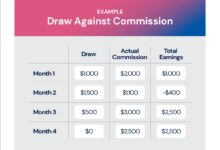
- Draw Against Commission: Reps receive an advance (draw) that’s recouped from future commissions.
For example, Salesforce uses a base + commission model with accelerators for overachievement, ensuring reps are both secure and driven.
Tiered Commissions and Accelerators
Tiered structures reward performance beyond quotas, encouraging reps to push past minimum targets.
- Example: 5% up to $50K in sales, 7% from $50K–$75K, 10% above $75K
- Accelerators: Double or triple rates for exceeding goals by 150%+
- Decelerators: Lower rates for underperformance (use cautiously)
This model, used by top performers like Oracle and Adobe, increases average deal size by 18% and quota attainment by 27%.
Recruiting and Onboarding a High-Performance Team
Even the best commission structure fails without the right people. Building a commission based sales team starts with smart hiring and effective onboarding.
What to Look for in Sales Reps
Not everyone thrives in a commission-driven environment. Seek candidates with specific traits.
- Self-motivation: Ability to work independently
- Resilience: Comfort with rejection and persistence
- Goal orientation: Track record of hitting or exceeding targets
- Coachability: Openness to feedback and training
Use behavioral interview questions like, “Tell me about a time you overcame a sales slump,” to assess grit and problem-solving.
Onboarding for Fast Ramp-Up
Speed to productivity is critical in a commission based sales team. A structured onboarding program can cut ramp time in half.
- Week 1: Product training, CRM setup, and shadowing
- Week 2–3: Role-playing, objection handling, and lead practice
- Week 4: First live calls with manager support
Include a 30-60-90 day plan with clear milestones. Companies like ZoomInfo use gamified onboarding to boost engagement and retention.
Tools and Technology for Commission Based Sales Teams
Modern commission based sales teams rely on technology to track performance, calculate payouts, and maintain transparency.
CRM Integration and Sales Tracking
A robust CRM is the backbone of any sales operation. It ensures accurate commission tracking and provides visibility into the sales pipeline.
- Track leads, deals, and stages in real time
- Automate commission calculations based on closed-won deals
- Integrate with payroll and finance systems
Platforms like Zoho CRM and HubSpot offer built-in commission tracking modules.
Commission Management Software
Manual commission calculations are error-prone and time-consuming. Specialized software automates the process.
- Spiff: Real-time commission tracking with gamification
- Commissionly: Cloud-based tool for SaaS and recurring revenue models
- CaptivateIQ: Enterprise-grade platform with advanced analytics
These tools reduce disputes, increase trust, and allow managers to focus on coaching instead of number-crunching.
Performance Monitoring and Incentive Optimization
A commission based sales team requires ongoing oversight to ensure fairness, motivation, and alignment with business goals.
KPIs to Track for Commission Teams
While revenue is the ultimate metric, tracking intermediate KPIs helps identify issues early.
- Conversion rate: % of leads turned into customers
- Average deal size: Ensures reps aren’t just chasing volume
- Sales cycle length: Indicates efficiency and qualification skills
- Quota attainment: % of reps hitting or exceeding targets
Regular dashboards and weekly reviews keep everyone accountable and informed.
Beyond Money: Non-Monetary Incentives
Cash isn’t the only motivator. Top-performing commission based sales teams use recognition and rewards to boost morale.
- President’s Club trips for top reps
- Public recognition in team meetings
- Gift cards, tech gadgets, or extra time off
- Leadership opportunities (e.g., mentor new hires)
“People don’t work for money alone. They work for meaning, recognition, and growth.” — Daniel Pink, Drive
Legal and Ethical Considerations
Running a commission based sales team comes with legal responsibilities. Missteps can lead to disputes, lawsuits, or reputational damage.
Clear Commission Agreements
Every rep should sign a written commission plan that outlines:
- Commission rate and structure
- Payment schedule (e.g., monthly, quarterly)
- Clawback clauses (if any)
- What happens if a deal is canceled or refunded
- Termination and payout policies
According to the U.S. Department of Labor, unclear commission agreements are the #1 cause of sales compensation disputes.
Compliance with Labor Laws
Labor laws vary by state and country. In the U.S., the Fair Labor Standards Act (FLSA) requires that commissioned employees earn at least minimum wage when base pay and commissions are combined.
- Some states (e.g., California) have strict rules on commission vesting
- Ensure timely payment of earned commissions
- Document all changes to commission plans in writing
Consult an employment lawyer when designing your plan to avoid costly violations.
What are the pros and cons of a 100% commission sales team?
The main advantage of a 100% commission sales team is cost efficiency—you only pay for results. It also attracts highly motivated individuals. However, the downside includes higher turnover, difficulty recruiting, and potential for short-term thinking. Many companies mitigate this by offering a draw or short-term base during onboarding.
How do you calculate commission for a sales team?
Commission is typically calculated as a percentage of gross profit or revenue. For example, a rep earns 10% on a $5,000 sale, resulting in a $500 commission. More complex plans use tiered rates, accelerators, or profit-based models. Use commission management software to automate calculations and reduce errors.
What’s the best commission rate for a sales team?
There’s no one-size-fits-all rate. It depends on industry, product margin, and sales cycle. Typical ranges are 5–10% for high-volume products and 20–30% for high-ticket or complex sales. The key is ensuring the rate is competitive enough to attract talent but sustainable for your margins.
How can you prevent commission disputes?
Prevent disputes by creating a clear, written commission plan, using reliable tracking software, and maintaining transparency. Regularly communicate payouts, allow reps to view their earnings in real time, and have a formal dispute resolution process in place.
Can a commission based sales team work remotely?
Absolutely. In fact, remote commission based sales teams are increasingly common, especially in SaaS, digital marketing, and e-commerce. With the right CRM, communication tools, and performance tracking, remote reps can be just as effective—if not more—than in-office teams.
A commission based sales team can be a powerful engine for growth when built with strategy, fairness, and the right tools. From designing balanced compensation plans to leveraging technology and fostering a culture of accountability, success lies in the details. By understanding the benefits, navigating the challenges, and investing in your people, you can create a sales force that’s not only motivated but unstoppable.
commission based sales team – Commission based sales team menjadi aspek penting yang dibahas di sini.
Further Reading:
