Imagine managing your entire customer relationship strategy from the palm of your hand. With a phone based CRM, that’s not just possible—it’s revolutionizing how businesses connect, convert, and retain clients on the go.
What Is a Phone Based CRM?

A phone based CRM is a customer relationship management system designed specifically for mobile devices. Unlike traditional desktop CRMs, these platforms are optimized for smartphones and tablets, enabling sales teams, customer support agents, and field representatives to access client data, track interactions, and manage pipelines directly from their phones.





Core Definition and Functionality
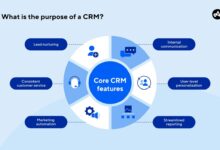
At its heart, a phone based CRM integrates essential CRM features—contact management, task tracking, lead scoring, and communication logs—into a mobile-first interface. This ensures that users can update records, send follow-ups, and view customer histories without needing a laptop.
- Real-time synchronization with cloud databases
- Offline access to critical customer data
- Push notifications for task reminders and new leads
These systems often sync with larger CRM ecosystems like Salesforce, HubSpot, or Zoho, ensuring seamless data flow across devices. For example, Salesforce Mobile offers a full-featured phone based CRM experience that mirrors its desktop counterpart.
Evolution from Desktop to Mobile
The shift from desktop-centric CRM tools to mobile solutions reflects broader workplace trends. As remote work and field sales grow, the demand for accessible, real-time tools has skyrocketed. According to a report by Gartner, the global CRM market exceeded $80 billion in 2021, with mobile functionality becoming a standard expectation.
Early CRM systems were clunky and required constant internet connectivity. Today’s phone based CRM apps leverage 5G, AI-driven insights, and intuitive UX design to deliver powerful tools in compact formats. This evolution has made it possible for a sales rep in Jakarta to close a deal in New York without ever opening a laptop.
“The future of CRM isn’t on a desk—it’s in your pocket.” — TechCrunch, 2022
Top 7 Benefits of Using a Phone Based CRM
Adopting a phone based CRM isn’t just about convenience—it’s a strategic move that enhances productivity, accuracy, and customer satisfaction. Let’s explore the seven most impactful advantages.
1. Real-Time Access to Customer Data
With a phone based CRM, your entire customer database is available anytime, anywhere. Whether you’re in a client meeting, at a trade show, or traveling, you can pull up purchase history, past communications, and upcoming tasks instantly.
- Instant lookup of client profiles during calls
- Immediate access to contract details and pricing
- Quick response to customer inquiries with full context
This eliminates the need to “get back to you later” and builds trust through informed, timely responses. A study by Forrester found that mobile CRM users report a 25% increase in customer satisfaction due to faster response times.
2. Increased Sales Team Productivity
Sales professionals spend nearly 30% of their time on administrative tasks. A phone based CRM automates much of this burden, allowing reps to focus on selling.
- Automated logging of calls and emails
- Voice-to-text note-taking during meetings
- One-tap task creation and follow-up scheduling
Tools like HubSpot Mobile CRM enable users to update deal stages, assign tasks, and send emails—all from a single tap. This reduces data entry time by up to 40%, according to internal HubSpot analytics.
3. Enhanced Field Service Efficiency
For teams that operate outside the office—such as technicians, delivery managers, or insurance agents—a phone based CRM is indispensable. It allows them to update job statuses, capture signatures, and log service reports in real time.
- GPS-enabled check-ins at client locations
- Photo and document uploads directly from the field
- Integration with scheduling and dispatch systems
This level of integration ensures that back-office teams have immediate visibility into field operations, reducing delays and improving coordination.
How Phone Based CRM Transforms Sales Processes
The sales funnel has evolved from a linear, office-bound process to a dynamic, mobile-driven journey. A phone based CRM acts as the central nervous system of this transformation, enabling agility and responsiveness at every stage.
Lead Capture and Qualification on the Go
Traditional lead capture often involves manual entry after an event or meeting. With a phone based CRM, leads can be entered instantly via QR codes, business card scanning, or voice commands.
- Scan a business card using the phone’s camera and auto-populate contact fields
- Use AI-powered tools to score leads based on engagement level
- Assign follow-up tasks immediately after meeting
For example, Zoho CRM’s mobile app includes a feature called “Zia Voice,” which allows users to say, “Create a lead for John Doe from ABC Corp,” and the system automatically generates the record.
Seamless Follow-Up and Task Management
One of the biggest challenges in sales is maintaining consistent follow-up. A phone based CRM solves this with built-in reminders, calendar sync, and automated email sequences.
- Set follow-up reminders that appear as push notifications
- Schedule calls and meetings directly from the CRM
- Track email opens and link clicks to gauge interest
This ensures that no opportunity slips through the cracks. Research by Nielsen shows that companies using mobile CRM tools achieve 15% higher lead conversion rates than those relying on desktop-only systems.
“Mobile CRM isn’t just a tool—it’s a competitive advantage.” — Harvard Business Review
Key Features to Look for in a Phone Based CRM
Not all mobile CRM apps are created equal. To maximize value, look for platforms that offer robust, user-friendly features tailored to mobile workflows.
Offline Mode and Data Syncing
Field workers often operate in areas with poor connectivity. A high-quality phone based CRM must support offline functionality, allowing users to view records, add notes, and create tasks without an internet connection.
- Data automatically syncs when the device reconnects
- Conflict resolution for duplicate entries
- Local caching of recent customer interactions
This ensures continuity of work and prevents data loss. Salesforce Mobile, for instance, allows users to work offline for up to 30 days before requiring a sync.
Integration with Communication Tools
A phone based CRM should integrate seamlessly with calling, texting, and email platforms. This enables click-to-call, automatic call logging, and two-way SMS messaging within the app.
- Direct integration with WhatsApp, Slack, or Microsoft Teams
- Call recording and transcription (where legally permitted)
- Click-to-dial from contact lists
Such integrations reduce app switching and improve data accuracy. Keap (formerly Infusionsoft) offers deep phone integration, allowing users to log calls and send texts without leaving the CRM.
Customizable Dashboards and Reporting
Managers need real-time visibility into team performance. A good phone based CRM provides mobile dashboards with KPIs like deals closed, calls made, and tasks completed.
- Drag-and-drop customization of widgets
- Exportable reports in PDF or CSV format
- Role-based access to sensitive data
These dashboards empower leaders to make data-driven decisions while on the move, whether they’re in a car, at a client site, or working remotely.
Top Phone Based CRM Platforms in 2024
With dozens of options available, choosing the right phone based CRM can be overwhelming. Here’s a breakdown of the top five platforms based on usability, features, and market adoption.
Salesforce Mobile
Salesforce remains the gold standard in CRM, and its mobile app is no exception. It offers full parity with the desktop version, including AI-powered Einstein Analytics and Lightning workflows.
- Highly customizable for enterprise needs
- Strong security and compliance features
- Extensive third-party app integrations via AppExchange
While powerful, it can be complex for small teams. However, for organizations already using Salesforce, the mobile app is essential. Learn more at salesforce.com/products/mobile.
HubSpot Mobile CRM
HubSpot’s phone based CRM is ideal for startups and SMBs. It’s free to start, intuitive, and packed with features like email tracking, meeting scheduling, and deal pipelines.
- Free tier with up to 1 million contacts
- Seamless integration with Gmail and Outlook
- Mobile-optimized workflows for sales and service
The app’s clean interface makes it easy for new users to adopt quickly. Visit hubspot.com/products/crm/mobile to download.
Zoho CRM Mobile
Zoho offers one of the most affordable and feature-rich phone based CRM solutions. Its AI assistant, Zia, provides predictive insights and automates routine tasks.
- Voice commands for data entry
- Offline access with automatic sync
- Multi-channel communication (email, phone, social)
Zoho is particularly strong for businesses with global teams, offering multi-language and multi-currency support. Explore it at zoho.com/crm/mobile.
Implementing a Phone Based CRM: Best Practices
Rolling out a new CRM system can be challenging. To ensure adoption and success, follow these proven strategies.
Train Your Team Effectively
Even the best phone based CRM will fail if users don’t understand how to use it. Provide hands-on training sessions, video tutorials, and quick-reference guides.
- Conduct live demos using real-world scenarios
- Create a mobile CRM champion within each team
- Offer ongoing support through a dedicated Slack channel or helpdesk
According to McKinsey, companies that invest in change management see 3x higher adoption rates for new technologies.
Start with Core Features
Don’t overwhelm users with every feature at once. Begin with essential functions like contact management, task tracking, and call logging.
- Phase in advanced features like automation and reporting over time
- Collect feedback and adjust workflows accordingly
- Use pilot groups to test before full rollout
This incremental approach reduces resistance and builds confidence in the system.
Ensure Data Security and Compliance
Mobile devices are more vulnerable to loss or theft. Protect sensitive customer data with strong security protocols.
- Enable biometric login (fingerprint or facial recognition)
- Use remote wipe capabilities for lost devices
- Comply with GDPR, CCPA, and other privacy regulations
Platforms like Microsoft Dynamics 365 offer enterprise-grade encryption and audit trails, making them ideal for regulated industries.
Phone Based CRM vs. Traditional CRM: A Comparative Analysis
While both systems serve the same core purpose, their differences in accessibility, usability, and functionality are significant.
Accessibility and Mobility
A phone based CRM wins hands-down in terms of mobility. Traditional CRMs require a computer and stable internet, limiting their use to office environments.
- Phone based CRM: Accessible 24/7 from any location
- Traditional CRM: Often restricted to desktop or laptop use
- Hybrid models: Many modern CRMs offer both, but mobile-first design enhances usability
For teams that spend most of their time in the field, the ability to update records in real time is a game-changer.
User Experience and Adoption Rates
Mobile apps are designed with simplicity and speed in mind. Touch-friendly interfaces, swipe gestures, and voice input make data entry faster and less error-prone.
- Phone based CRM: Intuitive, app-like experience
- Traditional CRM: Often complex, with steep learning curves
- Adoption: Mobile users report 40% higher engagement, per Gallup
Higher adoption means better data quality and more accurate sales forecasting.
Cost and Scalability
Many phone based CRM platforms offer flexible pricing, starting with free tiers. Traditional systems often require upfront licensing fees and IT infrastructure.
- Phone based CRM: Pay-as-you-go, scalable with team size
- Traditional CRM: Higher initial investment, longer deployment time
- Cloud-based mobile CRMs reduce hardware dependency
This makes phone based CRM particularly attractive for small businesses and startups.
Future Trends in Phone Based CRM Technology
The evolution of mobile CRM is far from over. Emerging technologies are set to make these tools even more powerful and intelligent.
AI and Predictive Analytics
Artificial intelligence is transforming phone based CRM from a data repository into a proactive assistant. AI can predict which leads are most likely to convert, suggest optimal follow-up times, and even draft personalized emails.
- AI-powered chatbots for instant customer support
- Predictive lead scoring based on behavior patterns
- Natural language processing for sentiment analysis
Salesforce’s Einstein AI and HubSpot’s Content Assistant are early examples of this trend.
Voice-Activated CRM Commands
As voice recognition improves, users will increasingly interact with their CRM through voice commands. Imagine saying, “Log a call with Sarah about the Q3 proposal,” and having the system create the entry automatically.
- Integration with Siri, Google Assistant, and Alexa
- Hands-free operation for drivers and field workers
- Reduced typing errors and faster data entry
This will further blur the line between communication and CRM management.
Augmented Reality (AR) Integration
In industries like real estate or manufacturing, AR could allow reps to overlay CRM data onto physical spaces. For example, a sales agent could point their phone at a building and instantly see the owner’s contact info, past interactions, and renewal dates.
- Visual data layering for field service
- Interactive product demos with CRM-triggered content
- Enhanced client presentations with real-time data
While still in early stages, AR-enhanced phone based CRM could redefine customer engagement.
What is a phone based CRM?
A phone based CRM is a mobile-optimized customer relationship management system that allows users to manage contacts, track sales, and communicate with clients directly from their smartphones or tablets.
Can a phone based CRM work offline?
Yes, most modern phone based CRM platforms offer offline mode, allowing users to view and edit data without an internet connection. Changes are automatically synced once the device reconnects.
Is a phone based CRM secure?
Yes, reputable phone based CRM providers use encryption, multi-factor authentication, and compliance protocols (like GDPR) to protect data. However, users should enable device-level security like passcodes and biometrics.
Which CRM has the best mobile app?
Salesforce, HubSpot, and Zoho are widely regarded as having the best mobile CRM apps due to their feature richness, ease of use, and integration capabilities.
Do I need a desktop CRM if I have a phone based CRM?
While a phone based CRM can handle most tasks, desktop versions often offer more advanced reporting, customization, and administrative controls. A hybrid approach is usually most effective.
Phone based CRM is no longer a luxury—it’s a necessity for modern, agile businesses. From boosting sales productivity to enabling real-time customer engagement, mobile CRM platforms are reshaping how teams operate. By choosing the right tool, implementing it effectively, and staying ahead of emerging trends, organizations can unlock unprecedented levels of efficiency and customer satisfaction. The future of CRM is mobile, and it’s already here.
Further Reading: