Ever wondered why some companies consistently crush their sales goals while others struggle to close deals? The secret often lies in a focused, data-driven approach known as sales based marketing. It’s not just about flashy ads—it’s about aligning your entire marketing engine directly with sales outcomes.
What Is Sales Based Marketing and Why It Matters

Sales based marketing is a strategic approach where marketing efforts are designed, measured, and optimized specifically to drive sales. Unlike traditional marketing, which may focus on brand awareness or engagement, sales based marketing prioritizes conversion, lead quality, and revenue generation. Every campaign, content piece, and channel is evaluated based on its direct impact on the sales pipeline.
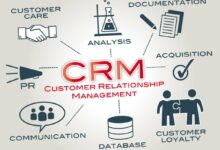
Defining Sales Based Marketing
Sales based marketing shifts the focus from broad audience engagement to targeted, measurable actions that lead to closed deals. It’s a results-oriented model where marketing isn’t a cost center but a revenue driver. This approach requires close collaboration between marketing and sales teams to ensure alignment in goals, messaging, and customer journey mapping.
- Focuses on generating qualified leads, not just traffic
- Uses performance metrics tied directly to sales (e.g., conversion rate, cost per acquisition)
- Relies on data and analytics to guide decisions
“Marketing without sales alignment is like driving with the brakes on.” — Philip Kotler, Father of Modern Marketing
How It Differs from Traditional Marketing
Traditional marketing often emphasizes brand building, customer education, and long-term loyalty. While valuable, these goals don’t always translate into immediate revenue. Sales based marketing, on the other hand, operates with a shorter feedback loop. It’s less about creating awareness and more about creating buyers.
- Traditional marketing: Brand campaigns, social media engagement, content for SEO
- Sales based marketing: Targeted ads, lead nurturing sequences, sales enablement tools
- Success metric: Traditional = impressions; Sales based = closed deals
The Role of Data in Sales Based Marketing
Data is the backbone of any effective sales based marketing strategy. From tracking customer behavior to measuring campaign ROI, data allows marketers to make informed decisions. Tools like CRM systems, marketing automation platforms, and analytics dashboards provide real-time insights into what’s working and what’s not.
- Lead scoring models help prioritize high-intent prospects
- A/B testing optimizes email and landing page performance
- Attribution modeling reveals which channels drive the most conversions
For deeper insights into data-driven marketing, check out HubSpot’s research on sales and marketing alignment.
The Core Principles of Sales Based Marketing
To succeed in sales based marketing, businesses must adopt a set of core principles that guide every decision. These principles ensure that marketing activities are not only aligned with sales but are actively contributing to revenue growth.
Alignment Between Sales and Marketing Teams
One of the most critical elements of sales based marketing is seamless collaboration between sales and marketing. When these teams operate in silos, messaging becomes inconsistent, leads are poorly qualified, and opportunities are lost. Alignment means shared goals, shared metrics, and regular communication.
- Hold joint planning sessions to define target personas
- Create service-level agreements (SLAs) between departments
- Use shared platforms like Salesforce or HubSpot for transparency
“Companies with strong sales and marketing alignment achieve 36% higher customer retention and 38% higher sales win rates.” — MarketingProfs
Customer-Centric Messaging
Sales based marketing doesn’t mean aggressive selling. Instead, it focuses on delivering value at every stage of the buyer’s journey. Messaging should address pain points, offer solutions, and build trust. Personalization is key—generic content rarely converts.
- Use dynamic content based on user behavior
- Segment email lists by industry, role, or buying stage
- Develop case studies and testimonials that speak to specific challenges
Performance-Driven Campaigns
Every campaign in a sales based marketing framework must have a clear objective tied to sales outcomes. Whether it’s driving demo requests, increasing trial sign-ups, or boosting repeat purchases, the goal should be measurable and directly linked to revenue.
- Set KPIs like cost per lead, lead-to-customer conversion rate, and average deal size
- Use UTM parameters to track campaign effectiveness
- Optimize underperforming campaigns in real time
Learn more about performance marketing metrics at Campaign Monitor’s guide to performance marketing.
7 Proven Strategies in Sales Based Marketing
Implementing sales based marketing requires more than good intentions—it demands actionable strategies. Here are seven powerful tactics that top-performing companies use to drive measurable sales results.
1. Account-Based Marketing (ABM)
ABM is a cornerstone of modern sales based marketing. Instead of casting a wide net, ABM focuses on high-value accounts with personalized campaigns. Marketing and sales teams work together to identify, engage, and convert key decision-makers within target organizations.
- Create tailored content for each account (e.g., custom landing pages, executive briefs)
- Use LinkedIn and email outreach to engage multiple stakeholders
- Track engagement at the account level, not just individual leads
“B2B companies using ABM see 208% higher ROI than those using traditional demand generation.” — ITSMA
2. Lead Scoring and Qualification
Not all leads are created equal. Lead scoring assigns values to prospects based on their behavior, demographics, and engagement level. This helps sales teams prioritize the hottest leads, increasing conversion rates and reducing wasted effort.
- Behavioral scoring: Downloads, page visits, email opens
- Firmographic scoring: Company size, industry, revenue
- Integrate with CRM to automate lead handoff
For a detailed breakdown of lead scoring models, visit Marketo’s lead scoring guide.
3. Sales Enablement Content
Sales based marketing doesn’t end at lead generation. Equipping sales teams with the right content—product sheets, battle cards, ROI calculators—ensures they can close deals faster. This content should be easily accessible and tailored to common objections and buying stages.
- Develop objection-handling scripts for common sales scenarios
- Create competitive comparison sheets
- Use video demos to showcase product value in action
4. Retargeting and Conversion Optimization
Most visitors don’t convert on their first visit. Retargeting brings them back with personalized ads and offers. Combined with conversion rate optimization (CRO), this strategy maximizes the value of existing traffic.
- Use pixel-based retargeting on Facebook and Google Ads
- Optimize landing pages with clear CTAs and minimal friction
- Run A/B tests on headlines, forms, and button colors
5. Direct Response Campaigns
Direct response marketing is inherently aligned with sales based marketing. These campaigns prompt immediate action—”Buy Now,” “Get a Free Quote,” “Schedule a Demo”—and are designed to convert on the spot.
- Use urgency and scarcity (e.g., limited-time offers)
- Focus on benefits, not just features
- Track response rates and adjust messaging accordingly
6. CRM Integration and Automation
A robust CRM system is essential for sales based marketing. It centralizes customer data, tracks interactions, and automates follow-ups. When integrated with marketing tools, it enables seamless lead nurturing and real-time performance tracking.
- Automate email sequences based on user behavior
- Set up alerts for high-intent actions (e.g., pricing page visit)
- Use CRM dashboards to monitor pipeline health
Explore CRM best practices at Salesforce’s CRM overview.
7. Performance Analytics and Attribution
You can’t improve what you don’t measure. Sales based marketing relies on advanced analytics to understand which channels, campaigns, and messages drive the most revenue. Multi-touch attribution models give credit to all touchpoints in the customer journey.
- Use Google Analytics 4 with enhanced measurement
- Implement marketing attribution software like Bizible or Ruler Analytics
- Regularly review funnel performance and drop-off points
How to Build a Sales Based Marketing Funnel
A well-structured funnel is critical for guiding prospects from awareness to purchase. In sales based marketing, each stage of the funnel is optimized for conversion, not just engagement.
Top of Funnel: Attracting High-Intent Prospects
The top of the funnel (TOFU) is about capturing attention. But in sales based marketing, the focus is on attracting the right kind of attention—prospects who are actively looking for a solution.
- Use search engine optimization (SEO) for commercial intent keywords (e.g., “best CRM for small business”)
- Run paid ads targeting high-intent search terms
- Host webinars that address specific pain points
Middle of Funnel: Nurturing and Qualifying Leads
The middle of the funnel (MOFU) is where leads are educated and qualified. Content should help prospects evaluate their options and see your solution as the best fit.
- Offer comparison guides and product demos
- Use email drip campaigns to nurture leads over time
- Implement chatbots to answer common questions and qualify leads
Bottom of Funnel: Closing the Deal
The bottom of the funnel (BOFU) is all about conversion. Prospects are ready to buy, so the messaging should be persuasive, urgent, and low-friction.
- Provide free trials or consultations
- Offer limited-time discounts or bonuses
- Simplify the checkout or sign-up process
“80% of sales require 5 follow-ups, yet 44% of salespeople give up after one.” — HubSpot
Measuring the Success of Sales Based Marketing
Success in sales based marketing isn’t measured by likes or shares—it’s measured by revenue, conversion rates, and customer lifetime value. Choosing the right KPIs ensures accountability and continuous improvement.
Key Performance Indicators (KPIs)
To evaluate the effectiveness of your sales based marketing efforts, track these essential KPIs:
- Lead-to-customer conversion rate: Percentage of leads that become paying customers
- Customer acquisition cost (CAC): Total marketing and sales cost per new customer
- Return on ad spend (ROAS): Revenue generated per dollar spent on advertising
- Sales cycle length: Average time from first contact to closed deal
- Pipeline velocity: How quickly deals move through the sales funnel
Tools for Tracking and Reporting
Leveraging the right tools ensures accurate data collection and insightful reporting. These platforms integrate with your existing systems to provide a unified view of performance.
- Google Analytics: Track website behavior and campaign performance
- HubSpot or Marketo: Automate lead nurturing and track engagement
- Tableau or Power BI: Create custom dashboards for executive reporting
Continuous Optimization
Sales based marketing is not a set-it-and-forget-it strategy. It requires ongoing testing, analysis, and refinement. Regularly review your campaigns, identify bottlenecks, and experiment with new approaches.
- Conduct monthly performance reviews with sales and marketing teams
- Run A/B tests on subject lines, CTAs, and landing pages
- Update buyer personas based on new customer data
Common Challenges in Sales Based Marketing (And How to Overcome Them)
While sales based marketing delivers powerful results, it’s not without challenges. Recognizing these obstacles early can help you avoid common pitfalls.
Siloed Teams and Poor Communication
When sales and marketing teams don’t collaborate, messaging becomes inconsistent, and leads fall through the cracks. This disconnect undermines the entire sales based marketing strategy.
- Solution: Establish a regular sync meeting (e.g., weekly)
- Create shared goals and incentives
- Use collaborative tools like Slack or Microsoft Teams
Over-Reliance on Short-Term Tactics
Focusing only on immediate conversions can neglect long-term brand building. While sales based marketing is results-driven, it shouldn’t ignore customer loyalty and retention.
- Solution: Balance short-term campaigns with long-term content (e.g., thought leadership)
- Invest in post-purchase onboarding and support
- Measure customer lifetime value (CLV) alongside CAC
Data Overload and Misinterpretation
With so much data available, it’s easy to get overwhelmed or draw incorrect conclusions. Poor data hygiene or flawed attribution models can lead to misguided decisions.
- Solution: Clean and standardize data regularly
- Use clear attribution models (first-touch, last-touch, or multi-touch)
- Train teams on data literacy and analytics tools
The Future of Sales Based Marketing
As technology evolves, so does the landscape of sales based marketing. Emerging trends are reshaping how companies connect with buyers and drive revenue.
AI and Predictive Analytics
Artificial intelligence is revolutionizing sales based marketing by predicting customer behavior, automating outreach, and personalizing content at scale. AI-powered tools can identify high-intent leads before they even raise their hand.
- Use AI chatbots for 24/7 lead qualification
- Implement predictive lead scoring models
- Leverage natural language processing (NLP) for sentiment analysis
Hyper-Personalization
Generic messaging is becoming obsolete. Buyers expect personalized experiences based on their behavior, preferences, and stage in the journey. Hyper-personalization goes beyond using a first name—it’s about delivering the right message at the right time.
- Dynamic email content based on past purchases
- Personalized product recommendations
- Behavior-triggered notifications (e.g., cart abandonment)
Integration of Sales and Marketing Tech Stacks
The future belongs to companies that seamlessly integrate their sales and marketing technologies. Unified platforms reduce friction, improve data accuracy, and enhance the customer experience.
- Adopt all-in-one platforms like HubSpot or Salesforce Marketing Cloud
- Ensure API compatibility between tools
- Centralize data in a customer data platform (CDP)
For insights into the future of marketing technology, visit Gartner’s marketing trends report.
What is sales based marketing?
Sales based marketing is a strategic approach where marketing efforts are directly aligned with sales goals. It focuses on generating qualified leads, driving conversions, and measuring success through revenue impact rather than just engagement or brand awareness.
How is sales based marketing different from traditional marketing?
Traditional marketing often emphasizes brand building and broad audience reach, while sales based marketing prioritizes measurable sales outcomes. It uses data, automation, and close sales-marketing alignment to convert prospects into customers efficiently.
What are the key benefits of sales based marketing?
The key benefits include higher conversion rates, reduced customer acquisition costs, shorter sales cycles, improved ROI on marketing spend, and stronger alignment between sales and marketing teams.
Which tools are essential for sales based marketing?
Essential tools include CRM systems (e.g., Salesforce), marketing automation platforms (e.g., HubSpot), analytics tools (e.g., Google Analytics), and sales enablement software. Integration between these tools is critical for success.
Can small businesses use sales based marketing?
Absolutely. Small businesses can leverage sales based marketing by focusing on high-intent channels, using affordable automation tools, and building strong relationships with their customers. The principles apply at any scale.
Sales based marketing is more than a tactic—it’s a mindset. By aligning marketing with sales, leveraging data, and focusing on measurable outcomes, businesses can drive sustainable revenue growth. The strategies outlined here—from ABM to AI-driven personalization—provide a roadmap for success. The future belongs to companies that treat marketing as a revenue engine, not just a cost center. Start implementing these principles today, and watch your sales soar.
Further Reading:
